THE MISSION PROJECTS presents a two-person showcase that brings together Filipino-Canadian artist Florence Solis and Chilean artist Rodrigo Zamora in a dialogue about memory.
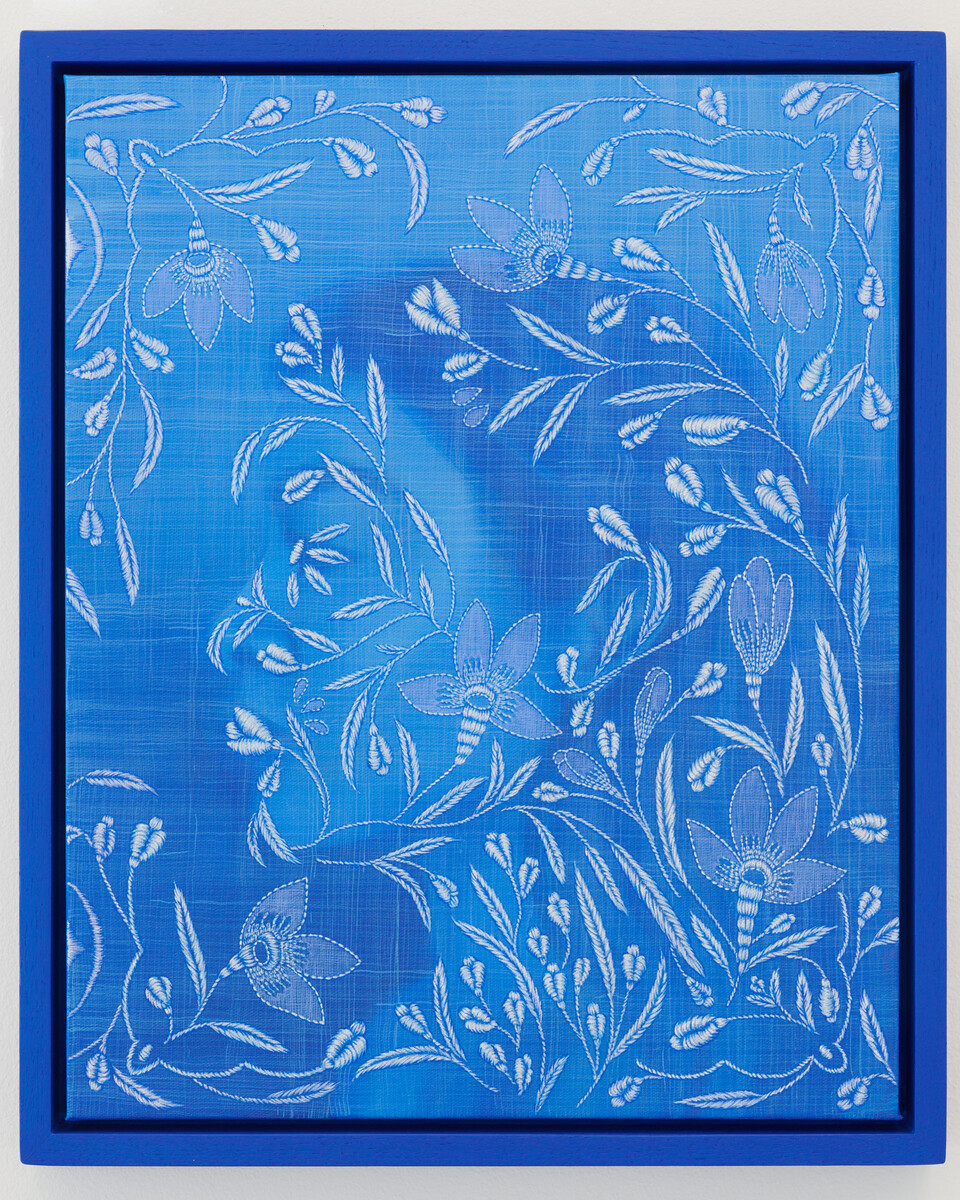
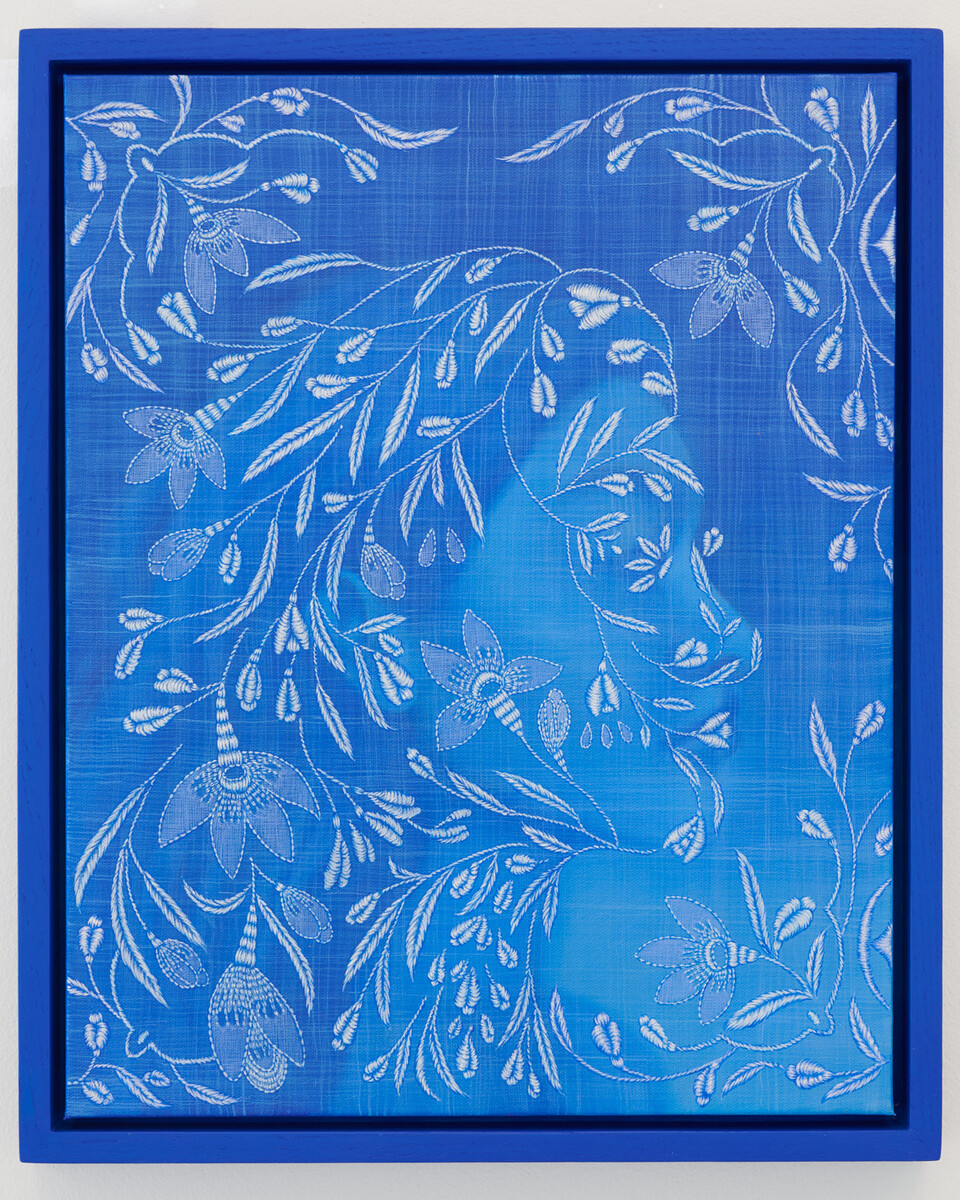
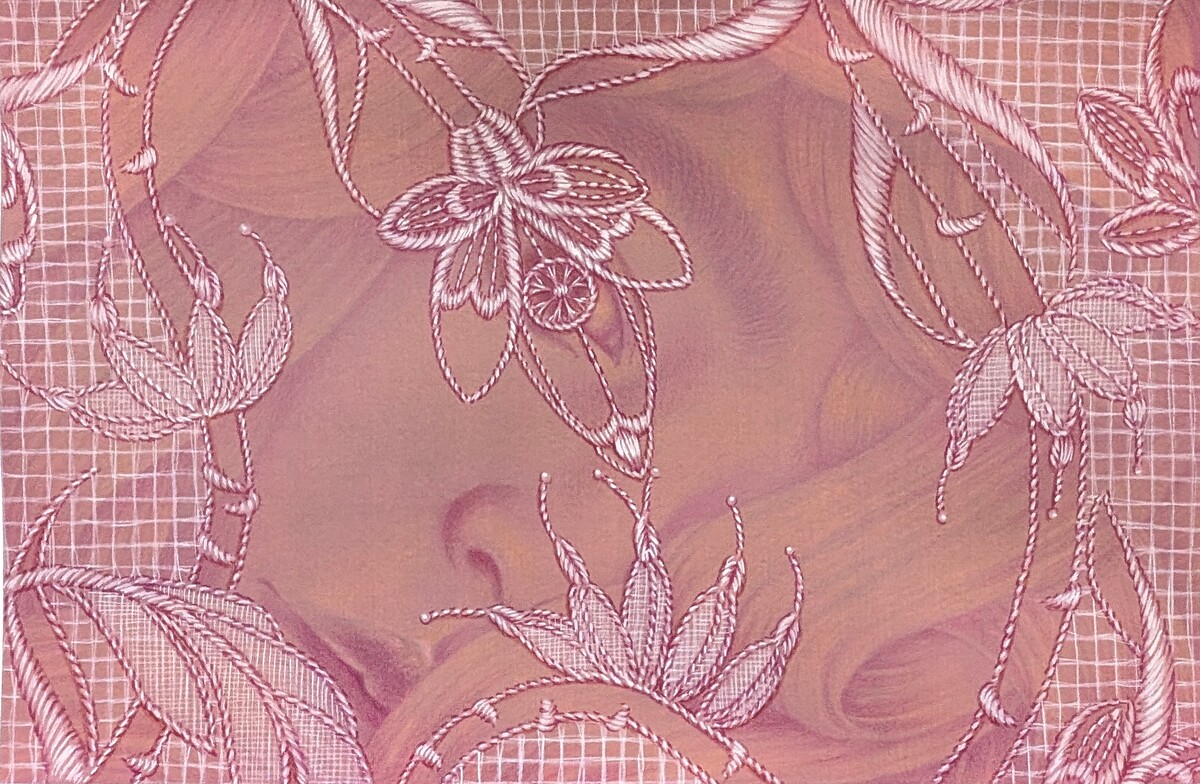
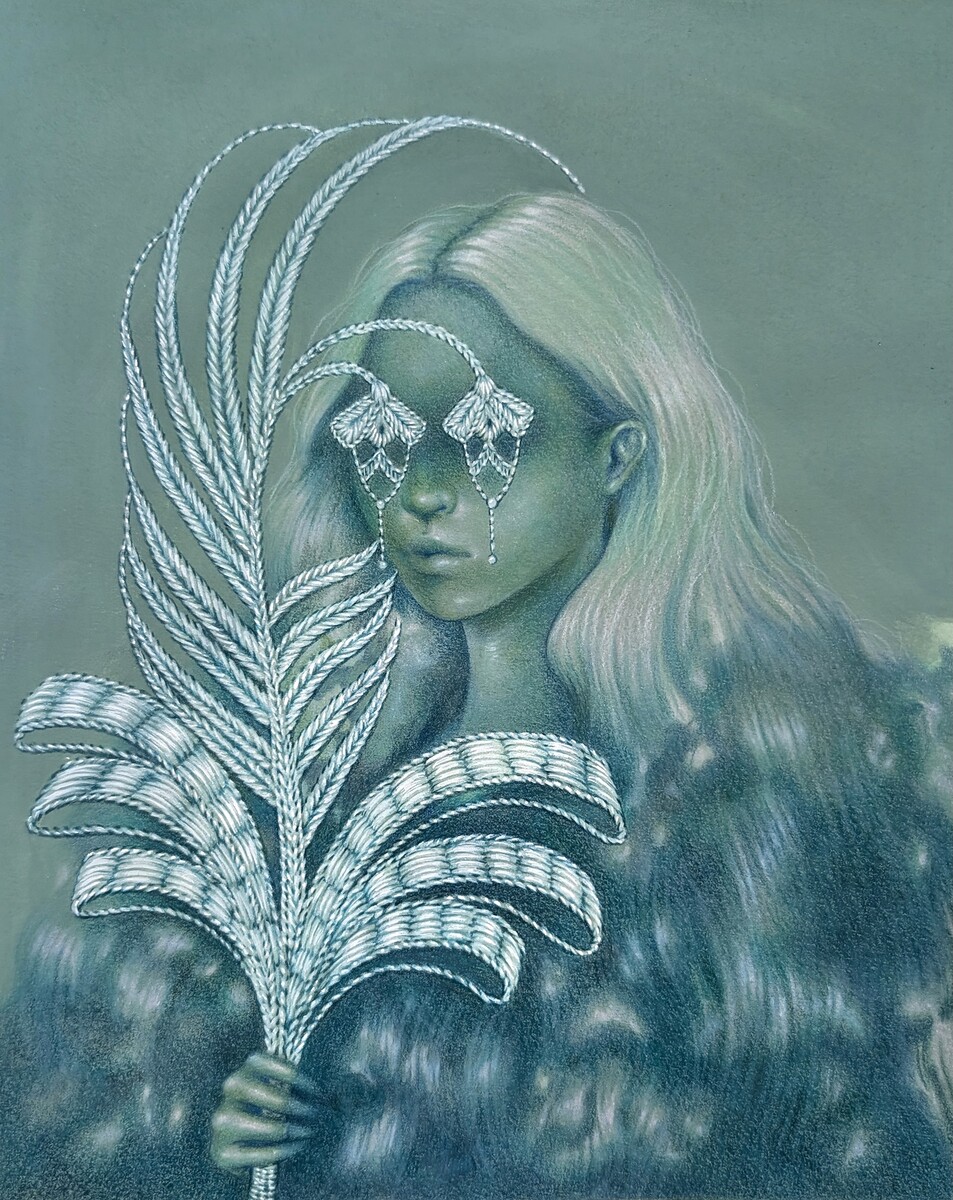
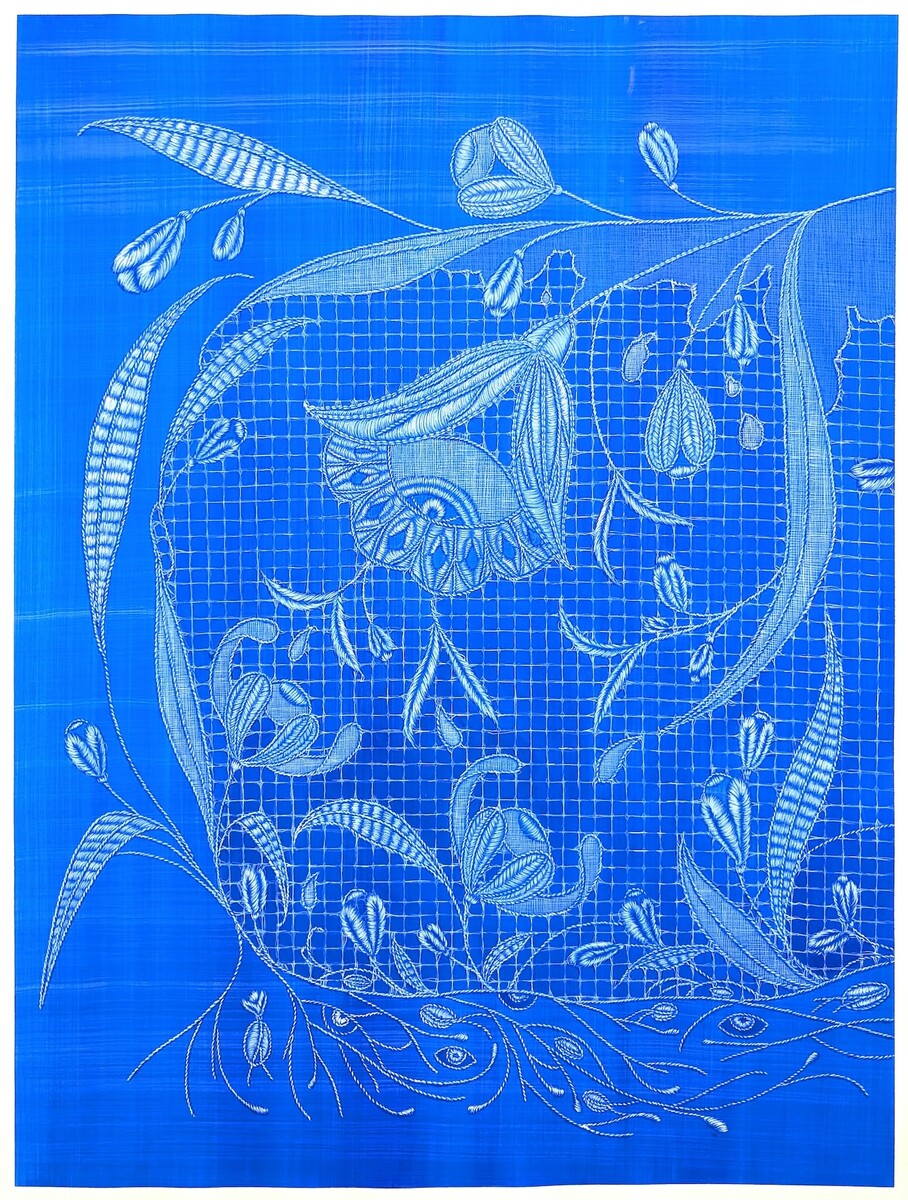
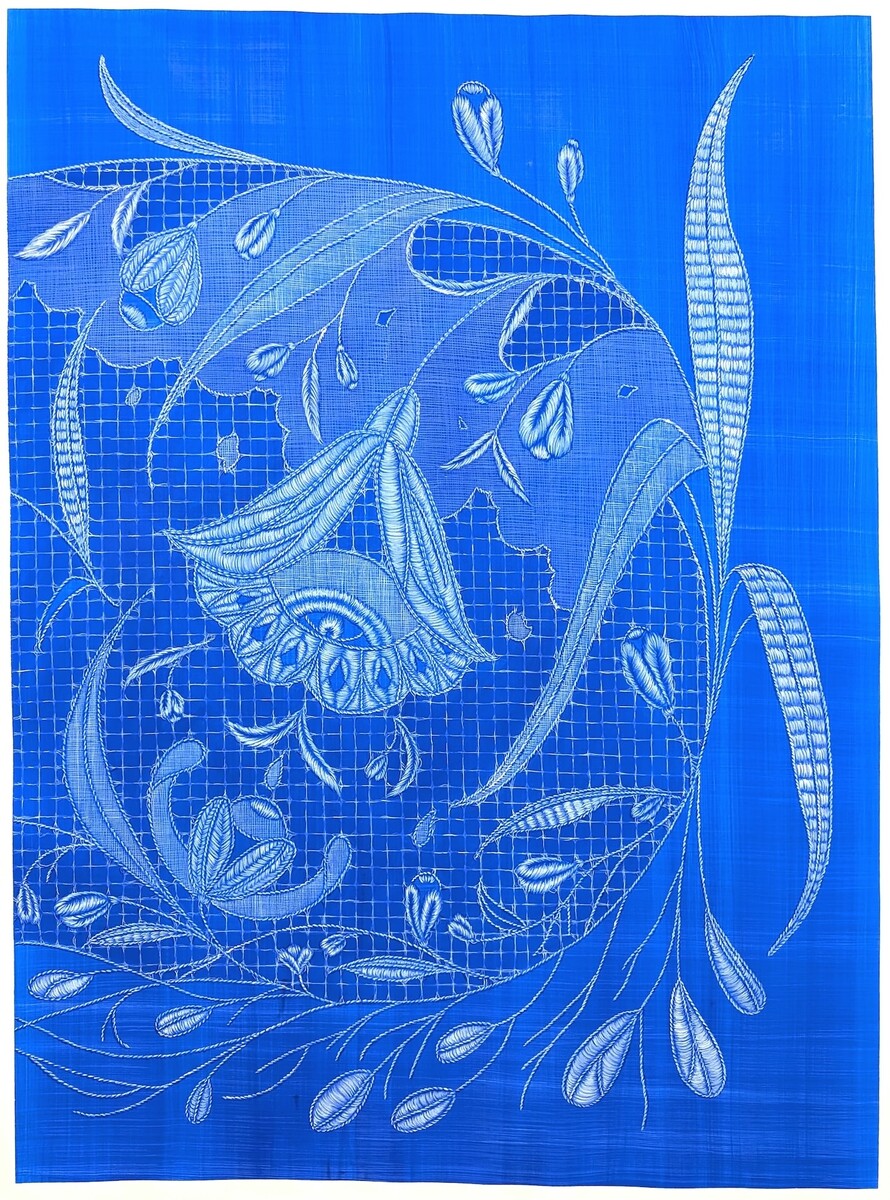
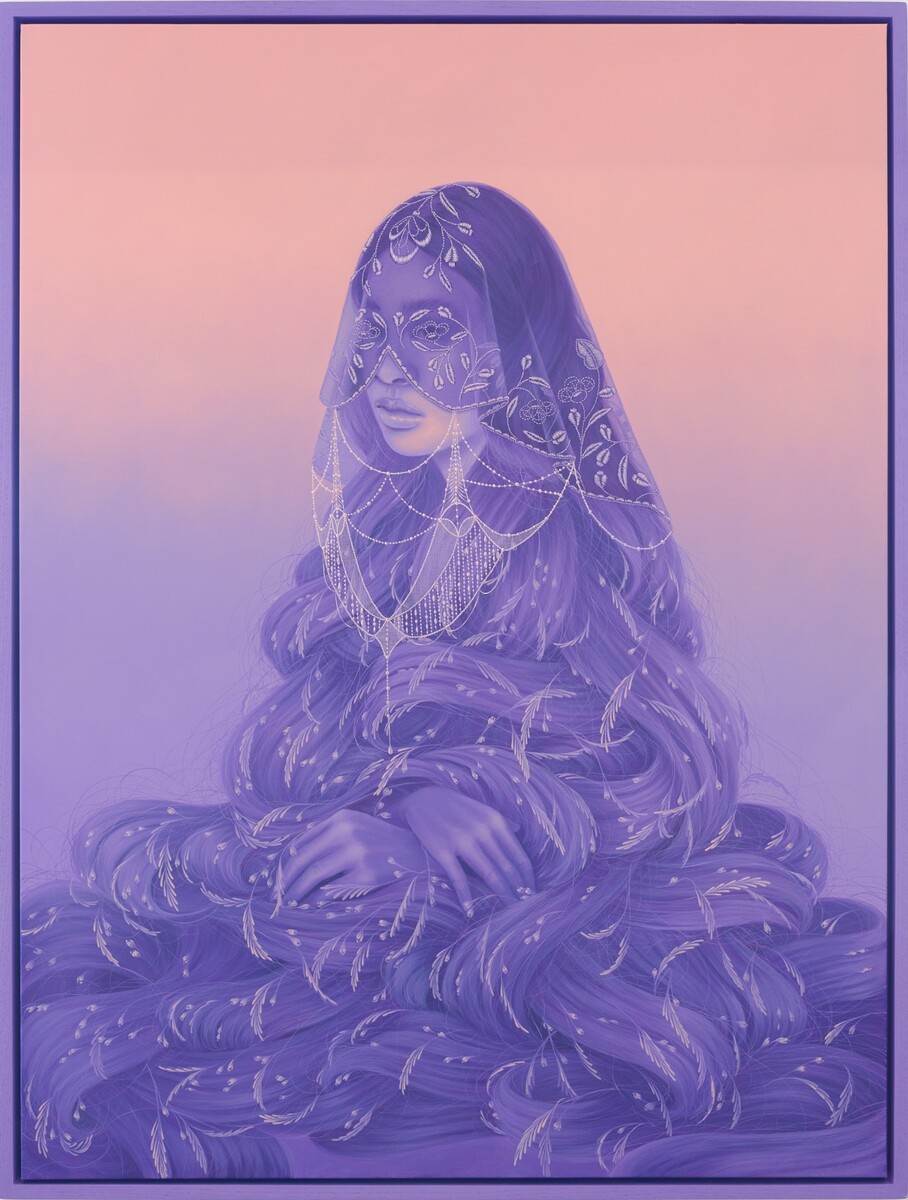
Florence Solis’s paintings draw from Filipino folklore, nature, and traditional craft to examine the complexities of womanhood and identity. Rooted in her experiences as a mother and person of color, her work explores the tension between vulnerability and strength. Her use of veils, woven textures, and organic elements mirrors the delicate yet intricate process of piña weaving, a painstaking craft that transforms fragile pineapple fibers into something luminous and enduring. These woven forms represent the structures that shape women’s roles — both protective and restrictive. Within these layers, she depicts figures in moments of transformation, questioning whether these bindings serve as a sanctuary or a confinement.
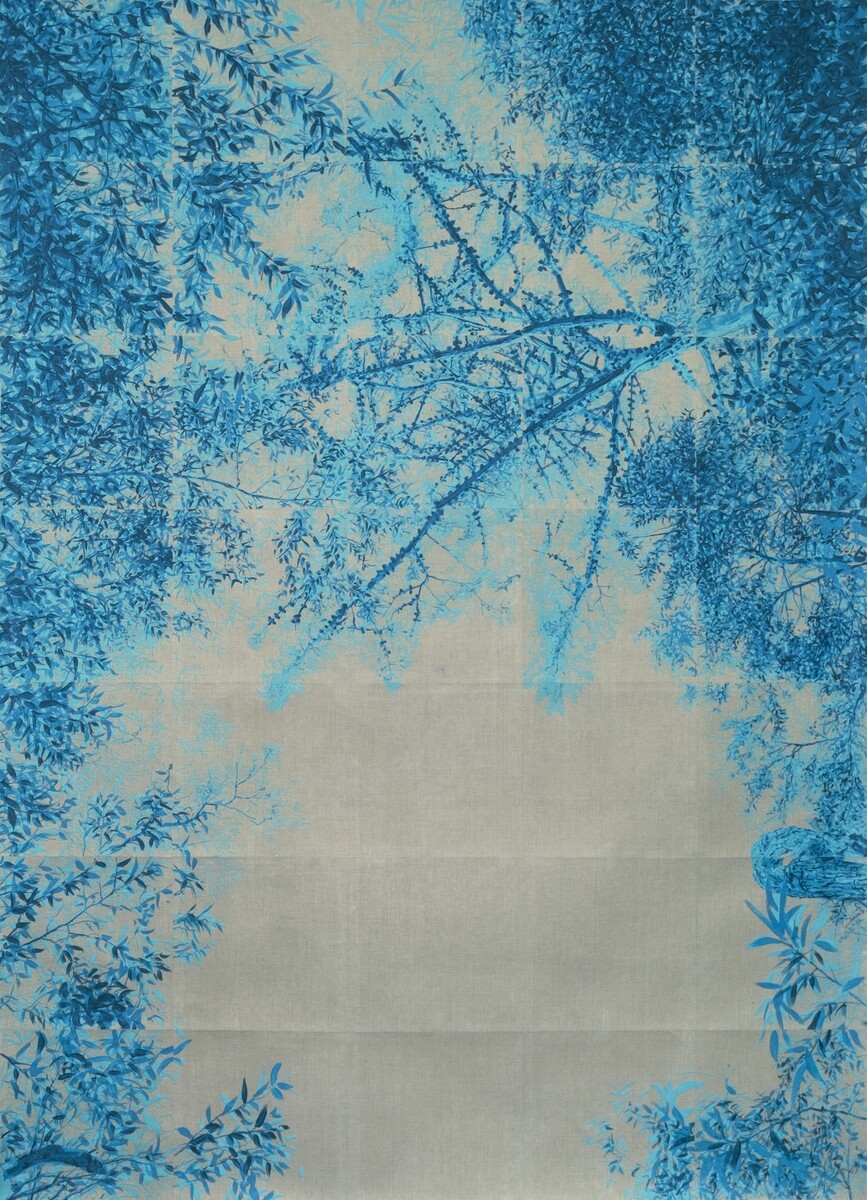
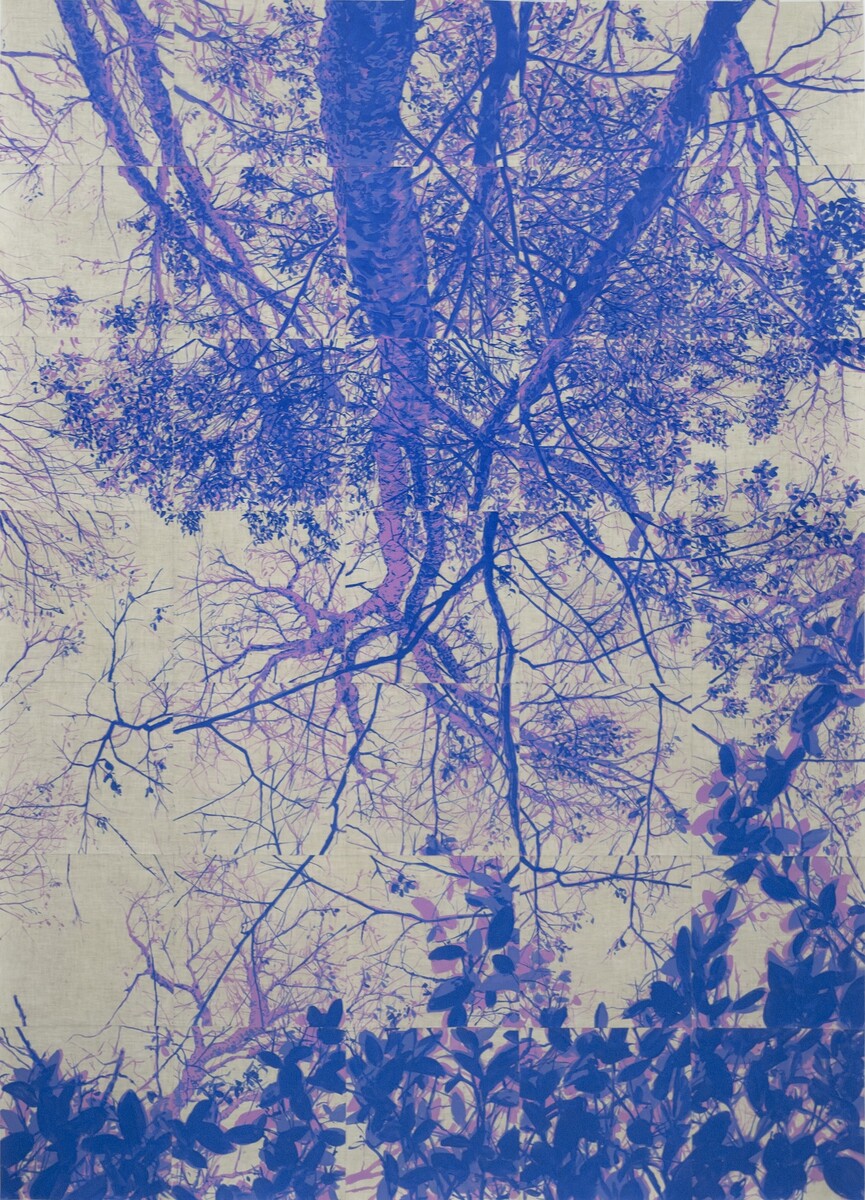
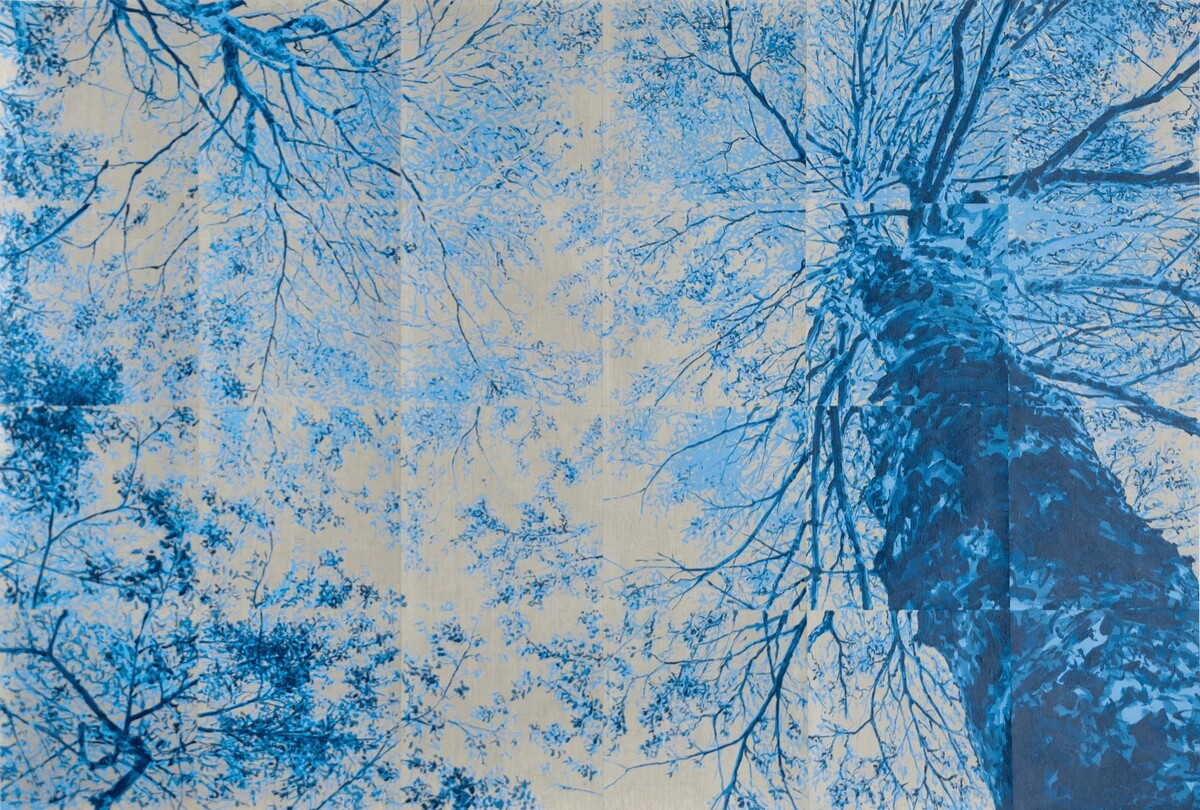
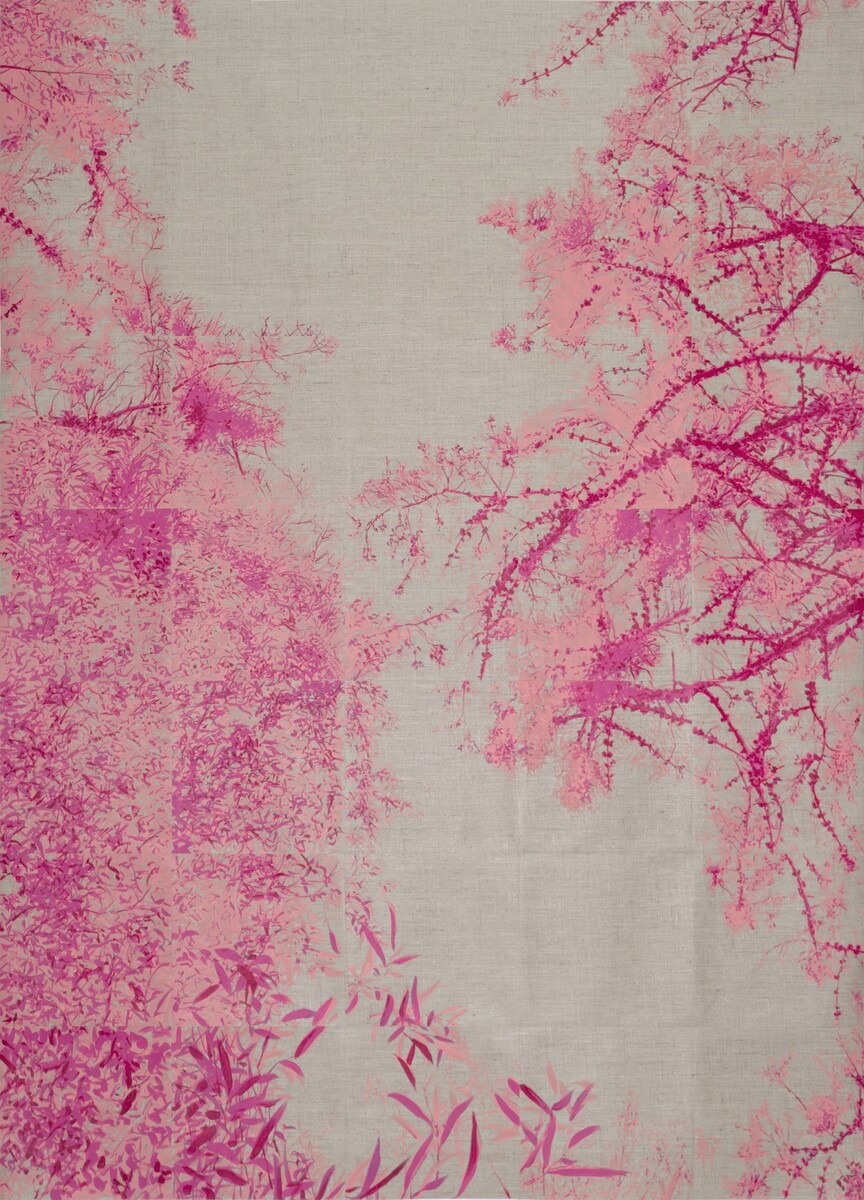
Rodrigo Zamora’s practice centers the human experience of observation and our relationship to the environments we inhabit, particularly public and transitional spaces. He translates these encounters into fractured compositions that oscillate between figuration and abstraction. Focusing on often overlooked elements — neglected weeds, cloudy waterways, or tree-obstructed skies — Zamora works with a restrained palette and grid-like structure to create fractured, dream-like paintings that evoke memory and perception.
Together, Solis and Zamora present complementary perspectives on how identity and memory are constructed, perceived, and transformed. While Solis turns inward to explore cultural memory and the body as sites of adaptation and resilience, Zamora turns outward, translating transient encounters with space into visual narratives. The presentation positions identity, memory, and landscape not as fixed realities but as evolving terrains shaped by reflection, movement, and transformation, inviting viewers to consider the layered and interconnected nature of the worlds we inhabit.
Florence Solis’s paintings draw from Filipino folklore, nature, and traditional craft to examine the complexities of womanhood and identity. Rooted in her experiences as a mother and person of color, her work explores the tension between vulnerability and strength. Her use of veils, woven textures, and organic elements mirrors the delicate yet intricate process of piña weaving, a painstaking craft that transforms fragile pineapple fibers into something luminous and enduring. These woven forms represent the structures that shape women’s roles — both protective and restrictive. Within these layers, she depicts figures in moments of transformation, questioning whether these bindings serve as a sanctuary or a confinement.
Rodrigo Zamora’s practice centers the human experience of observation and our relationship to the environments we inhabit, particularly public and transitional spaces. He translates these encounters into fractured compositions that oscillate between figuration and abstraction. Focusing on often overlooked elements — neglected weeds, cloudy waterways, or tree-obstructed skies — Zamora works with a restrained palette and grid-like structure to create fractured, dream-like paintings that evoke memory and perception.
Together, Solis and Zamora present complementary perspectives on how identity and memory are constructed, perceived, and transformed. While Solis turns inward to explore cultural memory and the body as sites of adaptation and resilience, Zamora turns outward, translating transient encounters with space into visual narratives. The presentation positions identity, memory, and landscape not as fixed realities but as evolving terrains shaped by reflection, movement, and transformation, inviting viewers to consider the layered and interconnected nature of the worlds we inhabit.